Lead Drift: Why Your Team Gives Back Quiet Mid-Games
Some squads are sharp in chaos and sloppy when the map goes quiet. The boredom threshold explains those thrown leads—and how to keep focus when the scoreboard says you are safe.
Category
23 articles
Some squads are sharp in chaos and sloppy when the map goes quiet. The boredom threshold explains those thrown leads—and how to keep focus when the scoreboard says you are safe.
The 2 A.M. ranked session has become a badge of honor in competitive gaming — and it might be the reason your team plays worse every week. Here's the science on why your schedule is sabotaging your chemistry, and why the smartest amateur squads are moving scrims to the morning.
You're a different animal in practice. Decisive, sharp, locked in — then the bracket starts and something short-circuits. Here's what's actually happening inside your brain when real stakes hit the table, and how to stop leaving your best game in the warm-up lobby.
Getting stomped 0-10 doesn't have to mean game over — at least not mentally. The best competitors in the world flip losing starts into data collection sessions, and the neuroscience behind that shift is something any player can actually train. Here's what separates the ones who claw back from the ones who emotionally disconnect the second things go sideways.

Getting crushed in a competitive game is inevitable. What separates the players who climb from the ones who spiral is everything that happens in the ten minutes after the defeat screen. Top competitors aren't just better at winning — they're dramatically better at losing, and the gap in how they process failure is a learnable skill. We talked to esports psychologists and players who've rebuilt after brutal losses to find out exactly how it's done.

There's a point in every grinder's journey where the hours stop adding up. You're playing more than ever, but the rank isn't moving — and the reason has nothing to do with your mechanics. Your brain quietly switched to autopilot weeks ago, and it's been running the same program on loop ever since. Here's what's actually happening up there, and how to force your way back into the driver's seat.

Plenty of players are built for tournament pressure but fall apart the moment a camera starts rolling. It sounds backward — but the neuroscience says it makes complete sense. Understanding why offline dominance and streaming success require totally different mental wiring might be the most important competitive edge nobody's talking about.
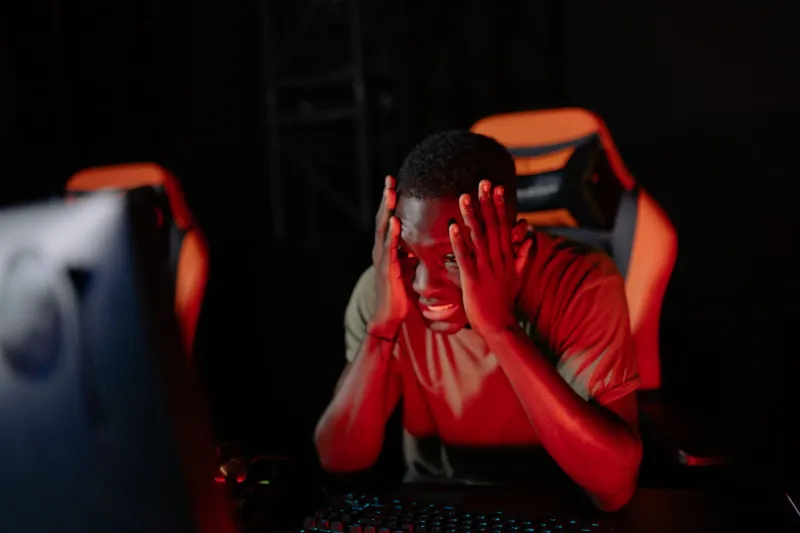
Every competitive player hits a point where improvement feels impossible — and most of them quit right before the breakthrough. The difference between a real skill ceiling and a temporary growth stall is something you can actually measure, and knowing which one you're facing changes everything about how you train.
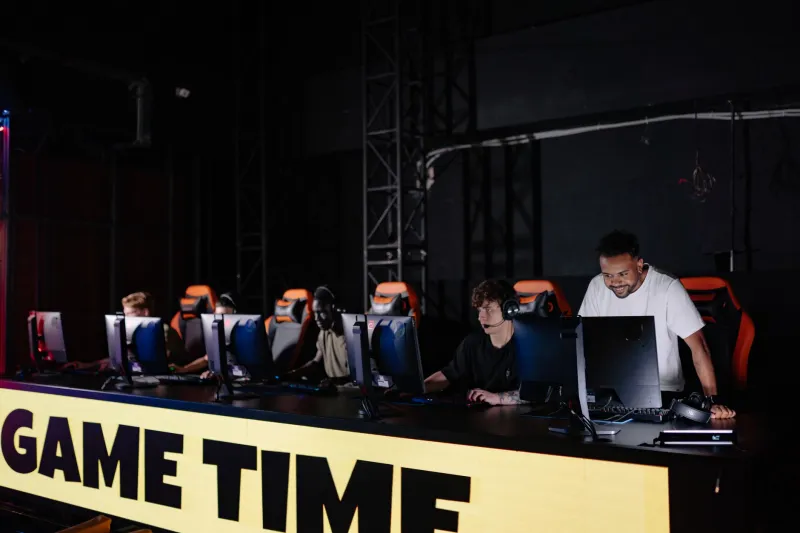
Most players never practice making high-stakes calls until they're actually in ranked — and by then, the cost of every wrong decision is real. The smartest competitors are using unranked and custom game modes as deliberate pressure labs, building the mental flexibility that turns solo grinders into actual team players.

The grind is supposed to be the answer. Log more hours, hit more shots, climb more ranks — except that's not how skill actually works, and the science is starting to catch up to what top competitors already figured out. If you've been putting in the time and going nowhere, this is the article you didn't know you needed.
You've hit every benchmark. You know every mechanic. You've watched every VOD. And somehow, you're still stuck. What if the problem isn't you — and it's not even the game? What if the game itself has run out of lessons, and the fastest path forward runs straight through starting over somewhere else?
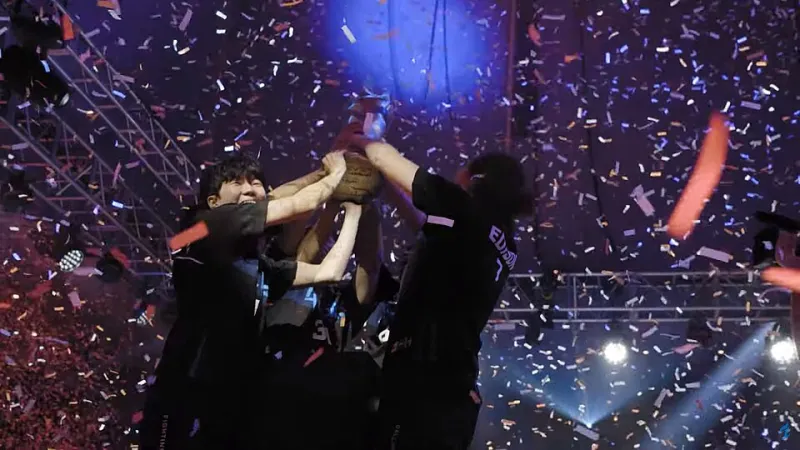
Mirroring your favorite pro's playstyle feels like a shortcut to greatness, but it's actually a detour into mediocrity. When you copy the surface without understanding the foundation, you don't become them — you become a worse version of yourself. Here's how to learn from pros the right way.

That tight feeling before you queue into ranked isn't a warning sign — it's a green light your brain doesn't know how to read yet. Ranked anxiety is less about fear of failure and more about your nervous system recognizing that you've got something real on the line. Learning to work with it instead of against it might be the unlock you've been missing.

Dropping $300 on a new mouse feels like progress. It isn't. The loadout obsession gripping competitive gaming is a psychological trap that keeps players stuck in bronze while their Amazon cart hits four figures. Here's how to break the cycle.

You just had the tournament run of your life. Three days later, you're tilting through ranked like a completely different player. This isn't a fluke — it's a documented performance cycle that competitive coaches and sports psychologists have been tracking for years. Here's what's actually happening and how to stop the freefall.
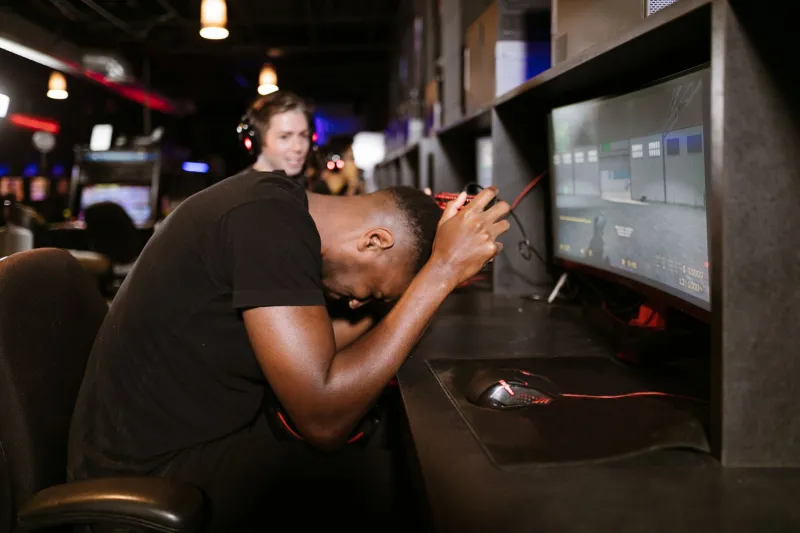
You told yourself the alt account was just for low-pressure games. But your main account's rank hasn't budged in three seasons. Turns out, the brain doesn't do 'chill mode' as cleanly as you think — and that casual alt might be quietly wrecking your competitive edge.
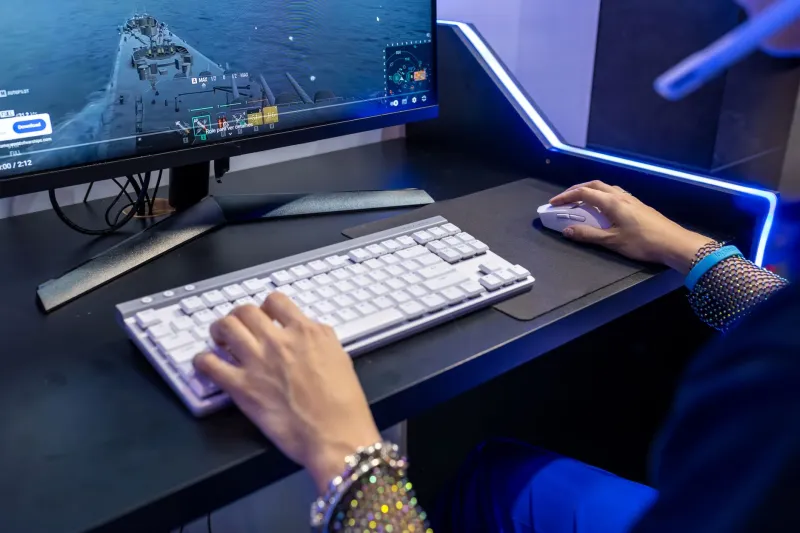
Every week, thousands of players rip pro configs and wonder why their aim feels worse. The dirty secret? Those settings were built for someone else's hands, desk height, and nervous system. Here's what actually happens when you try to shortcut your way to pro-level feel.
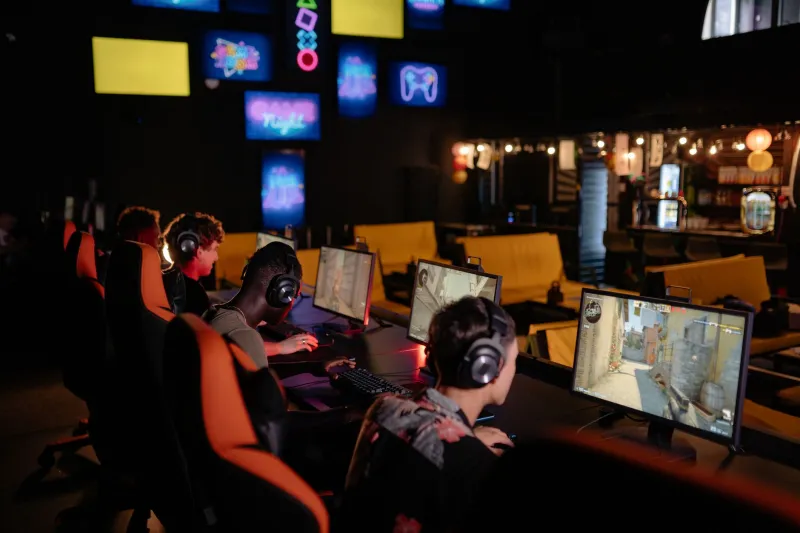
Spending hours watching pro VODs feels productive, but for most players it's a slow-acting trap. Copying flashy plays without understanding the game state behind them doesn't build skill — it builds a highlight reel of bad decisions. Here's how to actually learn from the pros instead of just imitating them.

The most toxic player in your lobby today might be a champion tomorrow — and that's not as crazy as it sounds. The psychology behind competitive anger is more nuanced than the gaming community gives it credit for, and some of the most decorated players in esports history have a tilt arc that would make your blood pressure spike. Here's what the rage-to-ranked pipeline actually looks like.

Thousands of hours in aim trainers and your ranked stats still look like a crime scene. The problem isn't your flicks — it's that you've been sharpening the wrong blade. Here's why mechanical precision without game sense is just expensive cosplay.

Every competitive player knows the feeling — the finals lobby loads, the crowd noise spikes, and suddenly your mechanics feel like they belong to a stranger. The science of performing under tournament pressure is real, it's trainable, and the best players in the world have already figured out the system. Here's how they do it.

Everyone farms hours. Not everyone farms the right skills. The abilities that actually push players from casual to competitive aren't the ones most grinders focus on — and that gap is exactly where careers are made or missed.
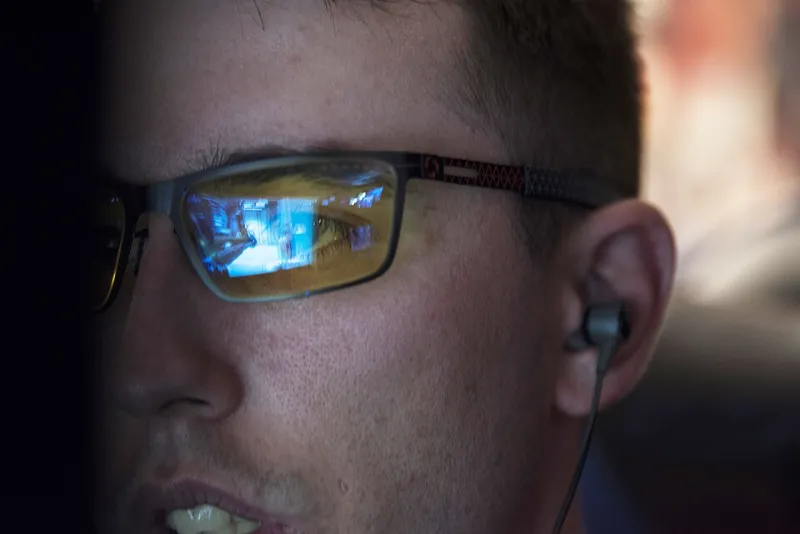
When the round is on the line and your hands are shaking, what separates the pros who deliver from the ones who fold? We dug into the science, talked to competitive psychologists, and pulled insights from elite players to decode the clutch factor — and show you how to build it yourself.